
Medi Weight Loss Diet Plan: A Comprehensive Guide (Updated March 14, 2026)
This comprehensive guide, updated today, details a 7-day plan aligning with federal nutrition standards, focusing on real food for sustainable weight loss and improved health.
Understanding the Medi Weight Loss Program
The Medi Weight Loss program is a physician-supervised approach designed for sustainable weight management and overall health improvement. Unlike many diets, it emphasizes real food consumption, aligning with federal nutrition guidelines like the Eat Well America plan. It’s built on a foundation of personalized meal plans and support, aiming for long-term results, not just rapid weight loss.
The program considers individual needs, particularly for those with comorbidities like hypertension, type 2 diabetes, and dyslipidemia, offering tailored dietary interventions. Convenient digital access via MEDVis allows for online evaluations and direct medication delivery, overseen by licensed physicians. This holistic approach addresses both physical and potentially mental health impacts of being overweight, offering a comprehensive path to wellness.
Eligibility Criteria & BMI Considerations

Determining eligibility for the Medi Weight Loss program centers around Body Mass Index (BMI) and associated health risks. Current guidelines generally consider patients with a BMI of 27 kg/m2 or higher, especially if they have two or more risk factors – such as smoking, high blood pressure (140/90 mmHg), or elevated low-density lipoproteins.
However, BMI isn’t the sole determinant; a physician evaluation assesses individual health profiles. The program aims to address the needs of a broad range of individuals seeking weight management solutions. This personalized approach ensures the plan is appropriate and safe, maximizing potential benefits while minimizing risks, particularly for those considering surgical weight loss options.
The Role of Licensed Physicians & Digital Access (MEDVis)
The Medi Weight Loss program prioritizes medical supervision by licensed physicians, ensuring patient safety and personalized care. Unlike traditional clinic models, MEDVis offers a convenient, digital-first approach. This innovative system provides accessible online evaluations, direct medication delivery, and ongoing physician support – all from the comfort of your home.
This digital platform doesn’t compromise quality; it enhances accessibility. Physicians oversee each patient’s journey, tailoring the diet plan and monitoring progress. MEDVis streamlines the process, removing logistical barriers and fostering consistent engagement, ultimately contributing to improved outcomes and sustained weight management success.

Core Principles of the Medi Weight Loss Diet
The diet centers on real food, sustainable results, and adherence to federal nutrition standards, promoting a balanced approach to weight management and overall wellness.
Focus on Real Food & Sustainable Results
The Medi Weight Loss program distinguishes itself through a commitment to “real food” – prioritizing whole, unprocessed foods over restrictive, artificial alternatives. This approach isn’t about quick fixes; it’s designed for lasting lifestyle changes. The 20-year approach emphasizes building sustainable habits, moving beyond temporary dieting.
This philosophy aligns directly with revolutionary federal guidelines, like the “Eat…” initiative, promoting nutrient-dense choices; The program’s core principle is to empower individuals to make informed decisions about their nutrition, fostering a healthier relationship with food. It’s about creating a pattern of eating that supports long-term weight management and overall well-being, rather than relying on fleeting trends.

Alignment with Federal Nutrition Standards
The Medi Weight Loss program isn’t operating in isolation; it actively integrates with current federal nutrition guidelines. Specifically, the program shares core principles with the revolutionary federal initiatives promoting healthier eating patterns. This alignment ensures the diet plan isn’t just effective for weight loss, but also supports overall health and reduces the risk of chronic diseases.
By adhering to these standards, the program provides a scientifically-backed approach to nutrition. This means the meal plans and recommendations are based on the latest research and best practices in the field of dietetics. This commitment to evidence-based nutrition provides patients with confidence and assurance in the program’s efficacy and safety.
Macronutrient Breakdown & Meal Planning
The Medi Weight Loss diet emphasizes a strategic macronutrient breakdown tailored for optimal weight management and metabolic health. While specific ratios vary based on individual needs, the plan prioritizes lean protein to preserve muscle mass during weight loss. Complex carbohydrates from fruits and vegetables provide sustained energy and essential nutrients, while healthy fats support hormone production and satiety.
Meal planning is central to the program’s success, with a focus on portion control and mindful eating. The 7-day plan details specific food choices and serving sizes, guiding participants towards balanced meals. This structured approach simplifies adherence and promotes long-term sustainable eating habits, moving beyond restrictive dieting.

7-Day Sample Meal Plan Overview
This plan offers a detailed 7-day guide, initiating rapid weight loss through focused nutrition, then transitioning to sustainable eating for lasting results and health.
Day 1-3: Initial Rapid Weight Loss Phase
The first three days emphasize a rapid weight loss approach, prioritizing fruits and vegetables as core components of each meal. This initial phase focuses on reducing caloric intake significantly while ensuring essential nutrient consumption. Expect a structured plan with specific portion sizes and food choices designed to kickstart metabolism and promote quick results.
Hydration is crucial during this period, with increased water intake recommended to support detoxification and satiety. Processed foods, sugars, and unhealthy fats are strictly limited. The goal is to establish a foundation for sustainable eating habits by demonstrating the immediate benefits of a nutrient-rich diet. This phase prepares the body for the transition to long-term dietary changes.
Day 4-7: Transitioning to Sustainable Eating
Days four through seven mark a shift towards establishing long-term, sustainable eating habits. While maintaining a focus on real, whole foods, the plan gradually introduces a more balanced macronutrient breakdown. This phase aims to prevent the restrictive feeling of the initial rapid weight loss period, fostering adherence and preventing rebound weight gain.
Lean proteins are incorporated more substantially, alongside complex carbohydrates and healthy fats. Portion control remains vital, but with increased flexibility. The emphasis moves from simply reducing calories to optimizing nutritional intake. This transition prepares individuals for continued success beyond the 7-day plan, promoting a lifestyle of mindful eating and sustained well-being.

Addressing Comorbidities Through Diet
The Medi Weight Loss plan demonstrably improves health markers, resolving conditions like hypertension, type 2 diabetes, and dyslipidemia through targeted nutritional interventions.
Hypertension Management
Effective hypertension management is a cornerstone of the Medi Weight Loss program. Dietary modifications play a crucial role in lowering blood pressure, often reducing or even eliminating the need for medication. The plan emphasizes consuming whole, unprocessed foods, rich in potassium, magnesium, and calcium – nutrients known to support healthy blood pressure levels.
Reducing sodium intake is paramount, achieved through eliminating processed foods and encouraging mindful seasoning choices. Weight loss itself contributes significantly to blood pressure reduction, lessening the strain on the cardiovascular system. The program’s focus on sustainable eating habits ensures long-term blood pressure control, improving overall cardiovascular health and reducing the risk of associated complications. Regular monitoring by licensed physicians ensures personalized adjustments to optimize outcomes.
Type 2 Diabetes Resolution
The Medi Weight Loss program demonstrates a significant capacity for Type 2 Diabetes resolution, often leading to improved glycemic control and reduced medication dependence. The diet prioritizes low-glycemic index foods, stabilizing blood sugar levels and enhancing insulin sensitivity. This approach focuses on real food, minimizing processed carbohydrates and sugars, which contribute to insulin resistance.
Weight loss achieved through the program directly impacts insulin sensitivity, allowing the body to utilize glucose more effectively. Physician supervision ensures safe and effective management of diabetes medications as dietary changes take effect. Consistent monitoring of HbA1c levels tracks progress towards remission. The program’s sustainable approach fosters long-term lifestyle changes, preventing diabetes recurrence and promoting overall metabolic health.
Dyslipidemia Control
The Medi Weight Loss program effectively addresses dyslipidemia – abnormal lipid levels – a common comorbidity associated with obesity. The diet emphasizes heart-healthy fats, such as those found in avocados and olive oil, while limiting saturated and trans fats. This dietary shift improves cholesterol profiles, reducing LDL (“bad”) cholesterol and increasing HDL (“good”) cholesterol.
Weight loss itself contributes significantly to lipid level improvements. Reduced body weight lowers triglycerides and enhances overall cardiovascular health. Physician monitoring ensures appropriate adjustments to lipid-lowering medications, if needed, as dietary changes take effect. The program’s focus on sustainable eating habits promotes long-term lipid control, minimizing the risk of heart disease and stroke.

The Importance of Exercise & Physical Activity
Integrating regular exercise amplifies weight loss and health benefits; the 7-day plan incorporates activity, while long-term recommendations promote sustained well-being and fitness.
Integrating Exercise into the 7-Day Plan
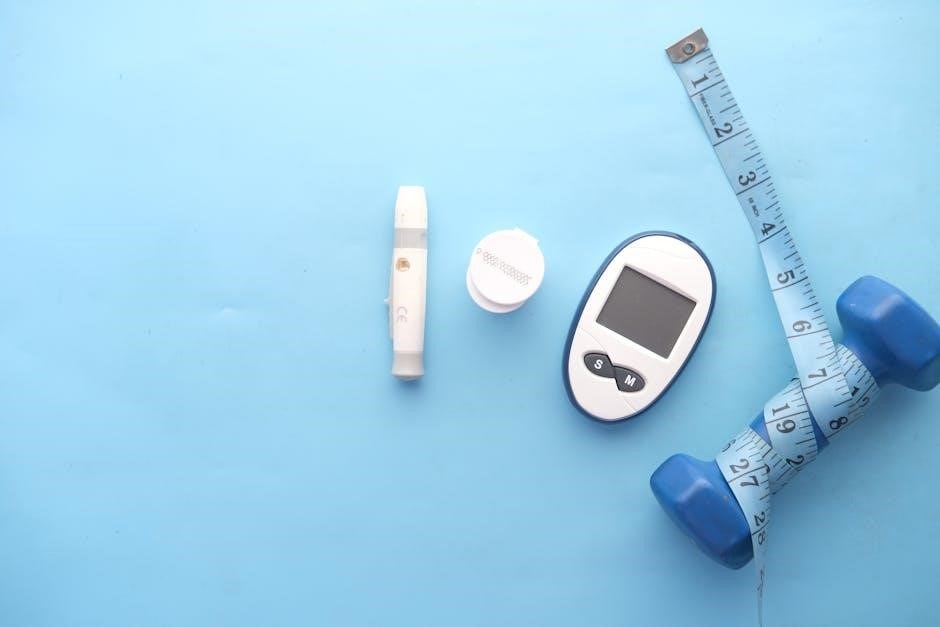
The initial rapid weight loss phase (Days 1-3) emphasizes light to moderate activity, such as walking for 30 minutes daily, to complement the dietary changes and boost metabolism. This isn’t about intense workouts, but establishing a routine. As you transition to sustainable eating (Days 4-7), gradually increase the intensity and duration of exercise.
Consider incorporating strength training exercises two to three times a week, focusing on major muscle groups. This helps preserve lean muscle mass during weight loss. Activities like swimming, cycling, or dancing are also excellent options. Remember to listen to your body and adjust the exercise plan based on your fitness level and any physical limitations. Prioritizing movement alongside the dietary adjustments maximizes results and fosters a healthier lifestyle.
Long-Term Physical Activity Recommendations
Sustaining weight loss requires a commitment to ongoing physical activity beyond the initial 7-day plan. Aim for at least 150 minutes of moderate-intensity or 75 minutes of vigorous-intensity aerobic exercise per week, as recommended by health guidelines.
Continue incorporating strength training exercises at least twice a week to maintain muscle mass and boost metabolism. Find activities you enjoy to ensure adherence – this could include brisk walking, jogging, swimming, cycling, or group fitness classes. Consistency is key. Regularly assess your fitness level and adjust your routine accordingly. Prioritize physical activity as a vital component of a healthy lifestyle for long-term weight management and overall well-being.

Managing Weight Regain After Initial Loss
Interventions for bariatric patients, and understanding program initiation timing, are crucial for preventing weight regain and maintaining long-term success with the diet plan.
Interventions for Bariatric Patients
For patients who have undergone bariatric surgery, maintaining weight loss requires ongoing, tailored interventions. The Medi Weight Loss program recognizes this need and provides strategies beyond the initial rapid weight loss phase. These interventions often include intensified dietary counseling, focusing on portion control and adherence to the program’s real-food principles.
Regular follow-up appointments with licensed physicians, facilitated through platforms like MEDVis, are essential for monitoring progress and addressing any challenges. Behavioral therapy components help patients develop coping mechanisms for emotional eating and navigate social situations that may trigger weight regain. Furthermore, the program emphasizes the importance of long-term physical activity, integrating exercise into daily routines to boost metabolism and maintain muscle mass.
A proactive approach, addressing potential setbacks before they escalate, is key to sustained success for bariatric patients utilizing this comprehensive plan.
The Impact of Program Initiation Timing
Recent research, including a prospective cohort study from the National Health Service (NHS) Diabetes Prevention Program analyzing data from over 85,000 participants, highlights a significant correlation between program initiation timing and weight loss outcomes. The study revealed that the month in which individuals began the Medi Weight Loss program demonstrably influenced their success rates.
Initiating the program during certain times of the year, potentially linked to seasonal lifestyle changes or increased motivation, appeared to yield more favorable results. Understanding these temporal patterns allows for personalized program scheduling, maximizing patient engagement and adherence. This data-driven approach ensures that individuals start their weight loss journey at an optimal time, increasing their likelihood of achieving sustainable results.
Careful consideration of initiation timing is now a crucial component of the program’s personalized strategy.

GLP-1 Weight Loss Initiatives & Physician Supervision (Mt. Baker Medical)
Mt. Baker Medical’s new initiative offers physician-supervised GLP-1 weight loss programs, ensuring safe and effective medication delivery with expert medical oversight.
Understanding GLP-1 Medications
GLP-1 (glucagon-like peptide-1) medications are a class of drugs initially developed for managing type 2 diabetes, but have demonstrated significant efficacy in promoting weight loss. These medications work by mimicking the effects of the naturally occurring GLP-1 hormone, which regulates appetite and food intake. They achieve this by slowing gastric emptying, increasing feelings of fullness, and enhancing insulin secretion when blood glucose levels are elevated.
These medications are not a standalone solution; they are most effective when combined with lifestyle modifications, including a structured diet plan and regular physical activity. Physician supervision is crucial when utilizing GLP-1 medications to monitor for potential side effects and ensure appropriate dosage adjustments. Mt. Baker Medical’s program emphasizes this integrated approach, prioritizing patient safety and optimal results.
Benefits of Physician-Supervised Programs
Physician-supervised weight loss programs, like those offered through Mt. Baker Medical and utilizing MEDVis digital access, provide a crucial layer of safety and personalization often lacking in generic diet plans. Direct access to licensed physicians ensures comprehensive evaluations, addressing individual health profiles and potential comorbidities. This approach allows for tailored medication management, if appropriate, and proactive monitoring for any adverse effects.
Furthermore, physician oversight fosters accountability and provides ongoing support, significantly improving adherence to the diet and exercise plan. The digital-first model enhances convenience, offering online evaluations and direct medication delivery. This integrated system maximizes the potential for sustainable weight loss and long-term health improvements.