Simile and Metaphor Worksheet PDF: A Comprehensive Guide
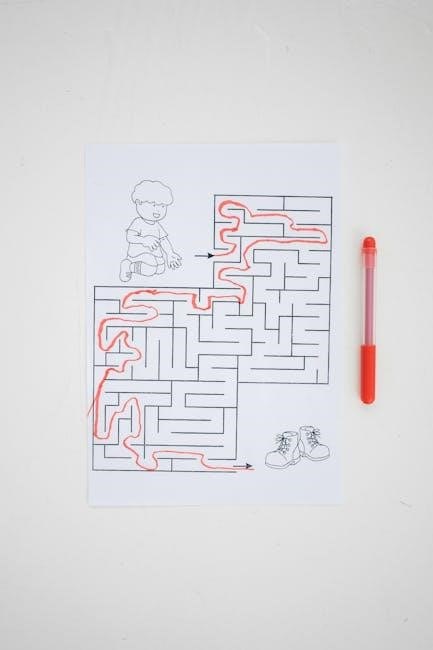
Leverage Edu offers a free PDF resource for grades 4-8‚ focusing on simile and metaphor identification. These worksheets include activities like matching and fill-in-the-blanks‚ aiding comprehension.
What are Similes?
Similes are a cornerstone of figurative language‚ offering a vibrant way to create imagery and deepen understanding. Essentially‚ a simile is a comparison between two unlike things‚ explicitly stating their resemblance. This comparison is always made using the words “like” or “as.” Think of it as highlighting a shared quality between two distinct entities.
For instance‚ describing someone as “as brave as a lion” doesn’t mean they are a lion‚ but rather that they possess the lion’s characteristic courage. Similarly‚ saying “her voice was as soft as a feather” emphasizes the gentle quality of her speech. These aren’t literal truths‚ but evocative comparisons that paint a clearer picture in the reader’s or listener’s mind.
Worksheets dedicated to similes often ask students to identify these comparisons within sentences. A typical example might be: “The dog was as loyal as a soldier.” Recognizing the “as…as” structure is key to spotting a simile. Beyond identification‚ exercises encourage students to create their own similes‚ fostering creativity and a deeper grasp of the concept. This practice helps them understand how to effectively use language to convey meaning beyond the literal.
Understanding similes is foundational to appreciating more complex figures of speech‚ like metaphors‚ and ultimately‚ enhancing overall reading comprehension and writing skills.
Defining Similes: The ‘Like’ or ‘As’ Connection

The defining characteristic of a simile lies in its explicit use of the words “like” or “as” to draw a comparison. These words act as signposts‚ immediately signaling to the reader that a figurative comparison is being made‚ rather than a literal statement of fact. This is the crucial element that distinguishes a simile from other figures of speech‚ particularly metaphors.
Consider the sentence‚ “She’s like a magician.” The word “like” clearly indicates a comparison – she isn’t actually a magician‚ but possesses qualities reminiscent of one‚ perhaps skill‚ mystery‚ or an ability to amaze. Similarly‚ “He was as strong as an ox” doesn’t imply physical transformation‚ but highlights his exceptional strength by associating it with the renowned power of an ox.

Worksheet exercises frequently focus on this “like” or “as” connection. Students are tasked with identifying sentences containing similes‚ often circling or underlining the comparative words. More advanced activities might involve completing sentences with appropriate “like” or “as” phrases‚ reinforcing their understanding of how these words function within a simile.
Mastering this fundamental definition – the “like” or “as” connection – is essential for accurately identifying and effectively utilizing similes in both reading and writing.
Examples of Similes in Everyday Language
Similes aren’t confined to poetry or literature; they permeate our daily conversations and expressions. Recognizing them in common language helps solidify understanding and demonstrates their practical application. A frequently cited example is “The dog was as loyal as a soldier‚” highlighting unwavering faithfulness through comparison.
Another common simile‚ “He was as strong as an ox‚” vividly conveys immense physical power. The gentleness of a voice might be described as “as soft as a feather‚” creating a sensory image of delicate sound. These examples showcase how similes enhance descriptions‚ making them more impactful and relatable.
Worksheet activities often present students with such everyday similes‚ asking them to explain the comparison being made. For instance‚ what qualities of a soldier are associated with loyalty? What makes an ox a symbol of strength?
Furthermore‚ worksheets may challenge students to identify the two things being compared within a simile. This reinforces the core concept of drawing parallels between dissimilar things to create a more vivid and meaningful image. Recognizing these patterns in everyday language builds a strong foundation for analyzing more complex literary examples.
Simile Worksheet Focus: Identifying Comparisons
Simile worksheets primarily concentrate on developing a student’s ability to pinpoint comparisons made using “like” or “as.” A core activity involves presenting sentences and asking students to underline or highlight the simile. For example‚ in the sentence “Her smile was as bright as the sun‚” students would identify “as bright as the sun” as the simile.
Beyond simple identification‚ worksheets often require students to explain what is being compared and why the comparison is effective. This encourages critical thinking about the qualities shared between the two elements. Is the smile truly bright‚ and how does that brightness relate to the sun’s radiance?
Matching exercises are also common‚ pairing similes with their meanings or the objects being compared. Fill-in-the-blank activities challenge students to complete similes‚ demonstrating their understanding of appropriate comparative language.
More advanced worksheets might present incomplete sentences‚ requiring students to create their own similes. This fosters creativity and solidifies their grasp of the simile structure. The goal is to move beyond recognition to active application of this figurative language tool‚ building a strong foundation for literary analysis.
What are Metaphors?
Metaphors represent a powerful form of figurative language where a word or phrase is applied to an object or action to which it is not literally applicable. Unlike similes‚ metaphors establish a direct comparison‚ stating that something is something else‚ rather than being like or as something else. This creates a more implicit and often more impactful connection.
For instance‚ stating “He is a lion in battle” doesn’t suggest he’s like a lion; it asserts he is a lion‚ embodying the animal’s courage and strength. This directness is key to understanding metaphors. Worksheets focusing on metaphors aim to help students decipher these implied comparisons.
Identifying metaphors requires recognizing that the statement isn’t meant to be taken literally. Students learn to look for underlying qualities and shared characteristics between the two seemingly disparate things being equated;
Understanding metaphors is crucial for interpreting literature and appreciating the nuances of language. They add depth‚ imagery‚ and emotional resonance to writing‚ going beyond simple description to evoke deeper meaning and understanding.
Defining Metaphors: Direct Comparison
A metaphor is fundamentally defined as a figure of speech that makes a direct comparison between two unlike things‚ without using “like” or “as.” This distinguishes it sharply from a simile. Instead of suggesting a resemblance‚ a metaphor asserts that one thing is another‚ transferring qualities from one to the other.
For example‚ the statement “Her voice was music to his ears” doesn’t mean her voice sounded like music; it equates her voice to music‚ implying it was beautiful‚ soothing‚ and pleasing. This directness is the defining characteristic of a metaphor.
Worksheets designed to teach metaphors emphasize recognizing this direct substitution. Students learn to identify the two elements being compared and understand the qualities being transferred. The goal is to move beyond a literal interpretation and grasp the implied meaning.
Successfully interpreting metaphors requires recognizing the non-literal nature of the statement and understanding the shared characteristics that justify the comparison. This skill is vital for both reading comprehension and creative writing.
Metaphor vs; Simile: Key Differences Explained
The core distinction between a metaphor and a simile lies in how they establish comparison. A simile explicitly draws a connection using words like “like” or “as‚” suggesting a resemblance. For instance‚ “She is like a magician.”
Conversely‚ a metaphor makes a direct assertion of equivalence‚ stating that one thing is another. The same idea expressed as a metaphor would be‚ “She is a magician.” This implies a complete identification‚ rather than a simple similarity.
Worksheets often focus on this difference‚ presenting students with sentences and asking them to identify whether the comparison is direct (metaphor) or indirect (simile). Understanding this nuance is crucial.
While both are forms of figurative language‚ metaphors tend to be more forceful and concise‚ creating a stronger image. Similes offer a gentler comparison‚ allowing for a degree of separation between the two things being compared. Mastering this distinction enhances both analytical and creative writing skills.
Examples of Metaphors in Common Phrases
Metaphors are deeply embedded in everyday language‚ often going unnoticed. Consider the phrase “a heart of gold” – it doesn’t literally mean someone’s heart is made of the precious metal‚ but conveys kindness and generosity. Similarly‚ describing a difficult situation as “a nightmare” isn’t literal; it emphasizes the unpleasantness and fear associated with it.
Other common examples include “time is money‚” highlighting the value of time‚ and “the world is a stage‚” suggesting life is a performance. These phrases demonstrate how metaphors function as powerful shortcuts for conveying complex ideas.
Worksheets frequently utilize these familiar phrases to introduce the concept of metaphors. Students are asked to decipher the implied meaning and explain what is being compared to what. Recognizing metaphors in common expressions builds a foundation for understanding their use in literature and poetry.
Identifying these ingrained metaphors helps students appreciate the richness and subtlety of language‚ moving beyond literal interpretations to grasp deeper meanings.
Metaphor Worksheet Focus: Understanding Implied Meaning
Metaphor worksheets prioritize developing a student’s ability to discern the implied meaning within a comparison. Unlike similes‚ which explicitly state a connection using “like” or “as‚” metaphors present a direct‚ yet figurative‚ equivalence. Therefore‚ worksheets often present sentences where students must identify the two things being compared and explain the shared qualities.

A typical exercise involves analyzing statements like “He is a lion in battle.” Students aren’t expected to believe the person is a lion‚ but to understand the metaphor conveys bravery‚ strength‚ and ferocity. Worksheets may ask students to rewrite the metaphor as a simile to solidify their understanding of the underlying comparison.
Furthermore‚ some worksheets challenge students to create their own metaphors‚ fostering creative thinking and a deeper grasp of figurative language. These activities encourage students to move beyond literal interpretations and explore the nuanced layers of meaning embedded within metaphorical expressions.
Successfully completing these exercises builds critical thinking skills and enhances reading comprehension.
Why Use Similes and Metaphors?
Similes and metaphors are powerful tools that elevate writing beyond simple description. They allow writers to convey complex ideas and emotions in a vivid and memorable way. Utilizing these figures of speech isn’t merely stylistic; it enhances understanding by creating relatable connections for the reader.
Consider the phrase “a heart of gold.” This metaphor instantly communicates kindness and generosity without needing lengthy explanation. Similarly‚ a simile like “as brave as a lion” quickly establishes a character’s courage. These comparisons add depth and texture to prose‚ making it more engaging and impactful.
Worksheet practice helps students recognize how these devices function in existing texts and‚ crucially‚ how to employ them in their own writing. Mastering similes and metaphors improves descriptive abilities and fosters a more creative approach to language.
Ultimately‚ these figures of speech aren’t just for literary analysis; they are integral to effective communication in everyday life‚ from conversations to advertising.
The Impact of Figurative Language on Writing
Figurative language‚ particularly similes and metaphors‚ dramatically impacts writing quality. It transforms mundane descriptions into evocative imagery‚ captivating the reader’s imagination and fostering a deeper connection with the text. Instead of stating facts‚ these devices show the reader‚ creating a more immersive experience.

The use of comparison‚ inherent in both similes and metaphors‚ allows writers to convey abstract concepts in concrete terms. For example‚ describing grief as “a heavy weight” provides a tangible understanding of an otherwise intangible emotion. This ability to translate feeling into relatable imagery is invaluable.
Worksheet exercises focusing on these techniques help students understand how to strategically employ figurative language. Recognizing these devices in existing texts builds analytical skills‚ while creating their own fosters creativity and strengthens their writing voice.
Ultimately‚ mastering similes and metaphors isn’t about memorizing definitions; it’s about unlocking a more powerful and expressive form of communication.
Similes and Metaphors in Literature
Similes and metaphors are foundational elements of literary artistry‚ enriching narratives across genres and eras. Authors utilize these figures of speech to create vivid imagery‚ develop character depth‚ and convey complex themes with nuance and impact. Recognizing these devices enhances comprehension and appreciation of literary works.
Worksheet activities centered around identifying similes and metaphors in literature provide students with a practical approach to literary analysis. By dissecting passages and pinpointing these figures of speech‚ they learn to interpret an author’s intent and understand the underlying meaning.
Plato’s Allegory of the Cave‚ a cornerstone of philosophical literature‚ serves as a powerful example of extended metaphor. The cave itself represents the world of appearances‚ while the prisoners symbolize humanity’s limited perception of reality.
Analyzing such examples‚ often facilitated by targeted worksheets‚ demonstrates how figurative language elevates storytelling beyond simple narration‚ transforming it into a profound exploration of the human condition.
Plato’s Allegory of the Cave: A Metaphorical Example
Plato’s Allegory of the Cave‚ a seminal work of philosophy‚ is a profound and extended metaphor. It illustrates the limitations of human perception and the journey towards enlightenment. The cave itself isn’t a literal location‚ but represents the world of appearances – a realm of illusion and incomplete knowledge.
The prisoners chained within the cave‚ only able to see shadows projected on the wall‚ symbolize humanity trapped in a state of ignorance. These shadows are mere representations of reality‚ not reality itself. A worksheet focusing on this allegory could ask students to identify what each element represents.
The escaped prisoner‚ who ascends into the sunlight and perceives the true forms of objects‚ embodies the philosopher who seeks knowledge and understanding. The difficulty the escaped prisoner faces when returning to the cave and attempting to enlighten the others highlights the challenges of sharing truth.
Understanding this allegory requires recognizing the metaphorical connections‚ a skill honed through practice with simile and metaphor worksheets. It demonstrates how figurative language can convey complex philosophical ideas in a compelling and accessible manner.
Similes and Metaphors in Popular Culture (Songs‚ TV)
Similes and metaphors are ubiquitous in popular culture‚ enriching songs‚ television shows‚ and everyday conversations. Recognizing these figures of speech enhances comprehension and appreciation of creative works. A simile and metaphor worksheet can utilize examples from these sources to make learning engaging.
Song lyrics are often replete with figurative language. For instance‚ comparing love to a battlefield employs a metaphor‚ conveying its intensity and challenges. Television scripts frequently use similes to create vivid imagery and character descriptions – “He was as sly as a fox.”

Advertisements also leverage these tools to create memorable and persuasive messages. Analyzing these examples in a worksheet context allows students to see the practical application of figurative language beyond academic settings.
Identifying similes (“like” or “as”) and metaphors (direct comparisons) in familiar media fosters critical thinking skills. It demonstrates how these literary devices contribute to emotional impact and artistic expression‚ solidifying understanding through relatable content.
Worksheet Difficulty Levels: Grades 4-8
Simile and metaphor worksheets are adaptable for students across grades 4-8‚ with varying levels of complexity. Fourth and fifth graders typically begin with identifying simple similes using “like” or “as‚” focusing on concrete comparisons – “The snow was as white as a cloud.” Worksheets at this level often include matching exercises and fill-in-the-blank activities.
As students progress to grades 6-8‚ the worksheets introduce metaphors and require a deeper understanding of implied meaning. Exercises involve analyzing sentences to distinguish between the two‚ and creating their own examples. More advanced worksheets may present passages from literature and ask students to identify and explain the effect of figurative language.
Leverage Edu and other resources offer differentiated worksheets catering to diverse learning needs. Some worksheets focus on identifying the two figures of speech‚ while others challenge students to analyze their impact on a text’s overall meaning.
The goal is to build a solid foundation in figurative language‚ preparing students for more complex literary analysis in higher grades.
Free Simile and Metaphor Worksheet PDF Sources

Numerous online platforms offer free simile and metaphor worksheet PDFs for educators and students. Leverage Edu is prominently featured as a valuable resource‚ providing downloadable worksheets specifically designed for grades 4-8. These resources aim to enhance understanding of figurative language through engaging activities.
A quick internet search reveals additional options‚ including educational websites and teacher resource hubs. Many sites offer a variety of worksheets‚ categorized by grade level and skill focus – identification‚ creation‚ or analysis. Some platforms require registration‚ while others provide immediate access to downloadable PDF files.
When selecting a worksheet‚ consider the specific learning objectives and the students’ current skill level. Look for resources that offer clear instructions‚ diverse examples‚ and opportunities for practice.
Free worksheets are an excellent way to supplement classroom instruction and provide students with extra practice in mastering similes and metaphors. They are easily accessible and can be adapted to suit individual learning needs.
Leverage Edu: A Resource for Free Worksheets
Leverage Edu stands out as a dedicated online platform offering readily available‚ free simile and metaphor worksheets in PDF format. Specifically tailored for students in grades 4 through 8‚ these resources are designed to make learning figurative language accessible and engaging.
The platform’s worksheets focus on building a strong foundation in identifying and understanding both similes and metaphors. They provide a structured approach to learning‚ incorporating various exercise types to cater to different learning styles. Students can practice recognizing comparisons using “like” or “as” (similes) and direct comparisons (metaphors).
Leverage Edu’s commitment to quality educational materials ensures that the worksheets are well-crafted and aligned with curriculum standards. The PDF format allows for easy downloading‚ printing‚ and distribution‚ making them a convenient tool for teachers and homeschooling parents alike.
By utilizing Leverage Edu’s resources‚ educators can effectively reinforce classroom lessons and provide students with ample opportunities to hone their skills in figurative language analysis and application.
Worksheet Activities: Matching‚ Fill-in-the-Blanks
Simile and metaphor worksheets commonly incorporate interactive activities to solidify understanding. Matching exercises are frequently used‚ requiring students to connect similes and metaphors with their literal meanings or the objects being compared. This reinforces recognition of figurative language.
Fill-in-the-blank questions are another staple‚ challenging students to complete sentences using appropriate similes or metaphors. These exercises test their ability to generate figurative language and understand contextual appropriateness. For example‚ a prompt might be: “Her smile was as bright as a _______.”
Some worksheets also include identifying exercises‚ where students must distinguish between similes and metaphors within a given text. This sharpens analytical skills and promotes a deeper comprehension of the nuances between the two figures of speech.
These activities‚ often found in free PDF resources like those offered by Leverage Edu‚ provide a practical and engaging way for students to practice and master the concepts of similes and metaphors‚ building a strong foundation in figurative language.
Worksheet Activities: Creating Your Own Similes & Metaphors

Beyond identification‚ simile and metaphor worksheets often challenge students to actively create their own figurative language. This fosters a deeper understanding than simply recognizing existing examples. Prompts typically ask students to describe objects‚ feelings‚ or experiences using similes – employing “like” or “as” for comparison.
For instance‚ a worksheet might ask: “Describe a rainy day using a simile.” Students could respond with‚ “The rain fell like silver needles.” Similarly‚ students are tasked with crafting metaphors‚ making direct comparisons without using “like” or “as.” A prompt could be: “Describe anger as a metaphor.” A possible answer: “Anger is a raging fire.”
These creative exercises‚ often available in free PDF formats‚ encourage imaginative thinking and strengthen vocabulary. Leverage Edu resources likely include such activities‚ promoting fluency in using figurative language.
The ability to generate original similes and metaphors demonstrates a true grasp of the concepts‚ moving beyond rote memorization to genuine application and expressive writing skills.
Analyzing Similes and Metaphors in Sentences
A core component of simile and metaphor worksheets involves sentence analysis. Students aren’t just identifying these figures of speech; they’re dissecting how they function within a given context. Worksheets present sentences containing similes or metaphors‚ requiring students to pinpoint the comparison being made and explain its effect.
For example‚ a sentence like “Her laughter was music to his ears” would prompt students to identify the metaphor – laughter being compared to music – and analyze how this comparison conveys the joy and pleasantness of the laughter. Similarly‚ with a simile like “He ran as fast as the wind‚” students would identify the comparison and explain the speed implied.
These exercises‚ often found in free PDF resources like those from Leverage Edu‚ develop critical thinking skills. Students learn to interpret implied meanings and understand how figurative language enhances writing.

Worksheets may also ask students to re-write sentences‚ replacing literal language with similes or metaphors‚ further solidifying their understanding of these powerful literary tools.
Common Mistakes to Avoid in Simile/Metaphor Worksheets
When completing simile and metaphor worksheets‚ several common errors frequently appear. A primary mistake is confusing the two – incorrectly identifying a direct comparison (metaphor) as using “like” or “as” (simile)‚ or vice versa. Students often struggle with recognizing implied metaphors‚ focusing solely on explicit comparisons.
Another frequent error involves misinterpreting the comparison itself. For instance‚ understanding why something is described a certain way is crucial. A worksheet might present “He is a lion in battle‚” and students need to grasp the implied bravery and strength‚ not just acknowledge it’s a metaphor.
Free PDF resources‚ like those available from Leverage Edu‚ often include answer keys to help students self-correct. However‚ simply checking answers isn’t enough; understanding the reasoning behind the correct identification is vital.
Finally‚ students sometimes create illogical or nonsensical comparisons when asked to generate their own similes and metaphors‚ highlighting the need for careful consideration of the qualities being linked.
Beyond the Worksheet: Expanding Figurative Language Skills
While simile and metaphor worksheets – including free PDF options from resources like Leverage Edu – provide a solid foundation‚ truly mastering figurative language requires extending learning beyond structured exercises; Encourage students to actively seek out examples in their reading‚ noting how authors use these devices to enhance imagery and meaning.
Analyzing song lyrics and television scripts offers a relatable context. Popular culture is brimming with metaphors and similes‚ making identification more engaging. Discussing the effect of these figures of speech – how they evoke emotion or create a specific tone – is crucial.
Creative writing prompts are invaluable. Challenge students to rewrite passages‚ incorporating their own similes and metaphors. This fosters a deeper understanding of how these tools function within a larger narrative.
Furthermore‚ exploring related figures of speech‚ such as personification and hyperbole‚ broadens their linguistic toolkit. Ultimately‚ the goal is to move beyond simply recognizing similes and metaphors to skillfully employing them in their own communication.