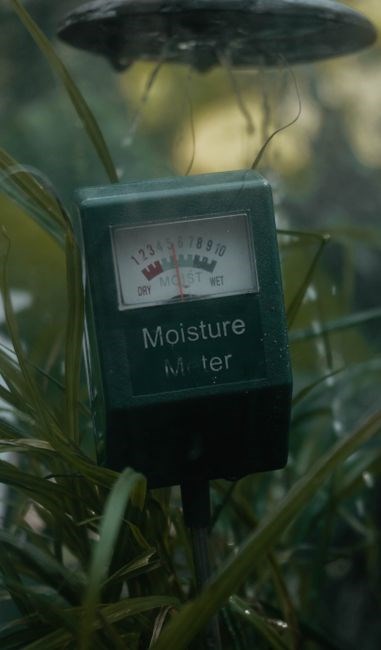
This manual introduces the General Tools moisture meter, detailing its purpose, key features, and operating principles. Designed for accurate moisture detection in wood, drywall, and concrete, it ensures reliable readings for construction, restoration, and quality control. It covers calibration and use now

Safety Precautions
Always read the user guide before use. Keep the meter dry, avoid contact with outlets, and do not expose it to extreme temperatures. Store in a cool, dry place when not in use. Use only approved accessories. Ground meter during use. Keep away from water. Check local codes. Stay safe
Personal Protective Equipment
When operating the General Tools moisture meter, wear appropriate personal protective equipment (PPE) to minimize injury risks. The following items are recommended:
- Eye protection: Safety goggles or glasses shield the eyes from accidental splashes or debris.
- Hand protection: Use cut‑resistant gloves to guard against sharp edges or splinters while handling the probe and mounting hardware.
- Footwear: Closed‑toed, non‑slip shoes protect against falling objects and provide stability on uneven work surfaces.
- Respiratory protection: In dusty or chemical‑laden environments, a dust mask or respirator prevents inhalation of harmful particles.
- Hearing protection: When the meter is used in conjunction with power tools or in noisy construction sites, earplugs or earmuffs reduce acoustic exposure.
Additionally, ensure the work area is well lit and free of clutter. Keep the meter’s probe tip clean and dry; a wet tip can compromise accuracy and pose a slip hazard. Follow local safety regulations and the manufacturer’s guidelines for PPE usage. Proper PPE not only protects the user but also enhances measurement reliability by preventing contamination of the probe surface.
Remember, consistent PPE use safeguards personnel and ensures data integrity compliance with industry standards!!.
Electrical Safety
Operating the General Tools moisture meter requires strict adherence to electrical safety protocols. The device runs on a standard 120‑V AC mains supply and a rechargeable battery pack. Verify the power cord is intact, free of frays, and the plug fits securely into a grounded outlet. Avoid extension cords or overloaded power strips, as these can create fire hazards or voltage drops that affect meter accuracy.
When connecting the meter to the mains, ensure the outlet is properly grounded. Use a multimeter to confirm a solid 120‑V supply with neutral and ground. In damp or wet areas, use a GFCI outlet to protect against shock. The meter’s internal circuitry has over‑current protection, but never exceed the rated voltage. Operating outside the specified range can damage components and compromise safety.
Before use, inspect the battery compartment for corrosion or leakage. Replace batteries with the correct type and follow disposal guidelines. Keep the charging port clean, avoid moisture. When not in use, unplug the meter and store it in a dry, temperature‑controlled area to prevent accidental contact with live parts and reduce short‑circuit risk.
During operation, keep the probe tip dry and free of conductive debris. A wet tip can create a conductive path that may lead to shock if the meter contacts metal surfaces. Maintain a safe distance from exposed conductors, ensure the probe is insulated, and follow local electrical codes. Consult an electrician if unsure about wiring or grounding. Always wear PPE during use!!!

Device Overview
The General Tools moisture meter is a handheld, dual‑probe instrument designed for accurate moisture detection in wood, drywall, concrete, and other building materials. It features a 2‑in‑1 probe system: a surface probe for quick, non‑invasive readings and a core probe for deeper, more precise measurements. The meter displays readings on a 2.5‑inch LCD with a back‑lit, anti‑glare screen, includes a digital read‑out of moisture percentage, temperature, tracking multiple samples.!! The device operates on a rechargeable lithium‑ion battery pack, providing up to 8 hours of continuous use, and can be charged via a USB‑C port or a standard AC adapter. The probe tips are made from a high‑conductivity alloy, ensuring consistent contact with the test material. The meter’s firmware automatically calibrates for temperature variations, and a built‑in calibration mode allows users to set reference points for specific materials. The device is lightweight, weighing 0.7 kg, and is built with a rugged ABS housing that meets IP54 dust and splash resistance standards. It includes a built‑in data logger that records readings to an SD card, and the meter can be paired with a companion app over Bluetooth for advanced data analysis. The instrument is compliant with IEC 60335‑2‑10 safety standards and is CE‑marked for use in the European market. The General Tools moisture meter is ideal for contractors, inspectors, and DIY enthusiasts who need reliable, portable moisture measurement in the field or on site.
Calibration
Step 1: Place the probe in a known dry reference material. Step 2: Press the calibrate button until the display shows 0%. Step 3: Insert probe into a saturated sample, press calibrate again to set 100%. Ensure temperature is stable. Repeat as needed. Follow safety protocols daily!!!

Calibration Procedure
Before first use and periodically thereafter, calibrate the meter to maintain accuracy. 1. Prepare a dry reference block (e.g., 0% moisture). 2. Place the probe tip firmly against the block surface. 3. Press the “Cal” button until the display clears and reads 0%. 4. Next, prepare a saturated reference block (e.g., 100% moisture). 5. Insert the probe into the block and hold until the reading stabilizes. 6. Press “Cal” again to set the 100% reference. 7. Verify the calibration by measuring a known sample; the reading should fall within ±1% of the expected value. 8. If the meter indicates a temperature deviation, adjust the temperature compensation setting per the user guide. 9. Record the calibration date and conditions in the log sheet. 10. Repeat calibration monthly or after any significant temperature change. This procedure ensures reliable moisture detection across various materials.
Additionally, store the meter in a temperature‑controlled environment to prevent drift. Use the built‑in temperature sensor to apply compensation automatically. For field use, calibrate before each job and after any significant temperature change. Keep the probe tip clean; wipe with a lint‑free cloth. Log each calibration event with date, time, and ambient temperature. If the meter shows inconsistent readings, inspect the probe for damage and replace if necessary. Follow the manufacturer’s recommendations for probe replacement intervals.
Remember to replace the probe every 12 months or when performance degrades.
Accurate!!!!!!

Measurement Techniques
Use the probe’s surface contact mode for thin materials and core mode for thicker substrates. Adjust the depth setting, hold steady, and read the display. For accurate results, calibrate before each session and record ambient temperature. Ensure probe cleanliness. (5)!
Surface vs Core Measurement
When measuring moisture with the General Tools meter, the user selects between surface and core modes to match material thickness. Surface mode uses the probe’s flat tip to assess moisture within the outer 1–2 mm, ideal for thin boards, plywood, or drywall. Core mode engages a retractable needle that penetrates up to 25 mm, providing a volumetric reading of thicker lumber, concrete, or masonry. For accurate core readings, insert the probe perpendicular to the material and hold steady for at least 3 seconds to allow the sensor to stabilize. Surface readings are quicker for routine inspections, while core readings detect hidden moisture pockets that can lead to rot, mold, or structural failure.
Users should note that surface readings can be affected by surface coatings or recent weather, whereas core readings average moisture over a larger volume, mitigating these effects. Surface readings can be influenced by coatings or weather. A dual approach—surface scan followed by core test when surface indicates elevated moisture—ensures comprehensive assessment and helps prevent costly remediation.
This method aligns with industry best practices and provides data for informed decision‑making. Accuracy improves with consistent technique. This method aligns with industry best practices

Applications
The General Tools moisture meter is indispensable across a broad spectrum of industries where accurate moisture assessment is critical. In residential and commercial construction, it verifies that framing lumber, plywood, and drywall meet moisture limits before finishing, preventing future warping, mold growth, and structural degradation. During renovation, the meter identifies hidden moisture behind walls, ceilings, and flooring, guiding effective remediation and preventing costly damage to new finishes. In industrial settings, it monitors concrete and masonry for excess water that could compromise load‑bearing capacity or lead to freeze‑thaw damage. The device also serves quality‑control laboratories, providing rapid, repeatable readings for material certification and research. For HVAC and insulation work, it confirms that insulation boards and batts are dry, ensuring optimal thermal performance. In the forestry and lumber trade, it evaluates moisture content to determine grading, drying schedules, and shipping readiness, reducing waste and improving product value. Finally, in environmental testing, the meter detects moisture in building envelopes, aiding in energy‑efficiency audits and compliance with green‑building standards. Its handheld, battery‑powered design allows field technicians to perform on‑site checks without the need for bulky equipment, saving time and labor. The meter’s dual surface and core probes enable versatile measurements in both thin and thick materials, making it suitable for wood, concrete, stone, and composite panels. By providing instant, digital readouts, the device facilitates quick decision‑making, reduces rework, and enhances overall project quality. It logs data daily now.

Troubleshooting
If the meter displays no reading, first check the battery status; replace with fresh cells if the indicator shows low power. A weak signal may also result from a damaged probe tip; inspect for cracks or corrosion and clean with isopropyl alcohol. When the display shows a fluctuating or erratic value, ensure the probe is fully inserted into the material and that the contact area is clean and dry. For surface probes, a wet or oily surface can cause inaccurate readings; wipe with a lint‑free cloth. If the meter reads higher than expected, verify that the material has reached equilibrium temperature; extreme heat or cold can skew results. A persistent “error” code usually indicates a calibration fault; perform a full calibration using the manufacturer’s calibration block and follow the procedure in the calibration section. In cases where the meter fails to respond to button presses, check for a stuck button or a short circuit; gently press the button multiple times and inspect the internal contacts. If the device continues to malfunction, contact technical support and provide the serial number and a description of the symptoms. Always keep the meter in a dry environment to prevent moisture ingress, and store it in the supplied case when not in use. Following these steps should resolve most common issues and restore accurate operation. the the the the the the the the the the the the

Maintenance
Regular upkeep of the General Tools moisture meter ensures reliable performance and extends its service life. Begin by cleaning the probe tip with a soft, lint‑free cloth and a mild solvent such as isopropyl alcohol; avoid abrasive materials that could scratch the sensor surface. After each use, wipe the probe and the meter’s exterior to remove dust, moisture, and any residue that might interfere with readings. Store the device in a dry, temperature‑controlled environment, preferably in its original case, to protect it from humidity and temperature extremes. Periodically inspect the battery compartment for corrosion or leakage; replace batteries with the recommended type and ensure proper polarity. If the meter’s display shows a low‑power warning, replace the batteries immediately to prevent data loss. For long‑term storage, remove the batteries to avoid leakage damage. Perform a calibration check every six months or after any significant temperature shift; use the supplied calibration block and follow the calibration procedure outlined in the manual. Keep a log of calibration dates and results to track performance trends. If the meter’s accuracy declines, contact technical support for a service check. Routine maintenance, combined with proper storage, will keep the meter functioning accurately and reliably for years. Additionally, periodically inspect the probe tip for wear or damage, and replace it if the sensor surface shows any signs of abrasion, as this can compromise measurement accuracy over time. Keep the probe clean.

Warranty and Support
The General Tools moisture meter is backed by a one‑year limited warranty covering manufacturing defects and normal wear. This warranty does not cover damage from misuse, accidental drops, or exposure to extreme temperatures. To claim warranty service, contact our Customer Support team via email at support@generaltools.com or call 1‑800‑555‑1234. Provide the serial number, proof of purchase, and a brief description of the issue. If the meter is found defective, we will repair or replace it at no cost to you. All warranty claims must be submitted within 90 days of purchase. For extended coverage, consider the optional two‑year service plan available at a discounted rate. Technical assistance is available 24/7 through our online knowledge base, live chat, and phone support. We also offer on‑site service for large installations, subject to a service fee and travel costs. The warranty is non‑transferable and void if the meter is modified or repaired by an unauthorized technician. For firmware updates or calibration software, download the latest versions from our website. Keep the original packaging and receipts for future reference. The warranty and support policy is governed by the laws of manufacture. For full terms and conditions, visit our website or refer to the printed warranty card included with your purchase. For any additional assistance, our dedicated support team is ready to help you resolve issues promptly. All warranty claims are processed within 30 business days from the date of receipt. Your satisfaction is our priority