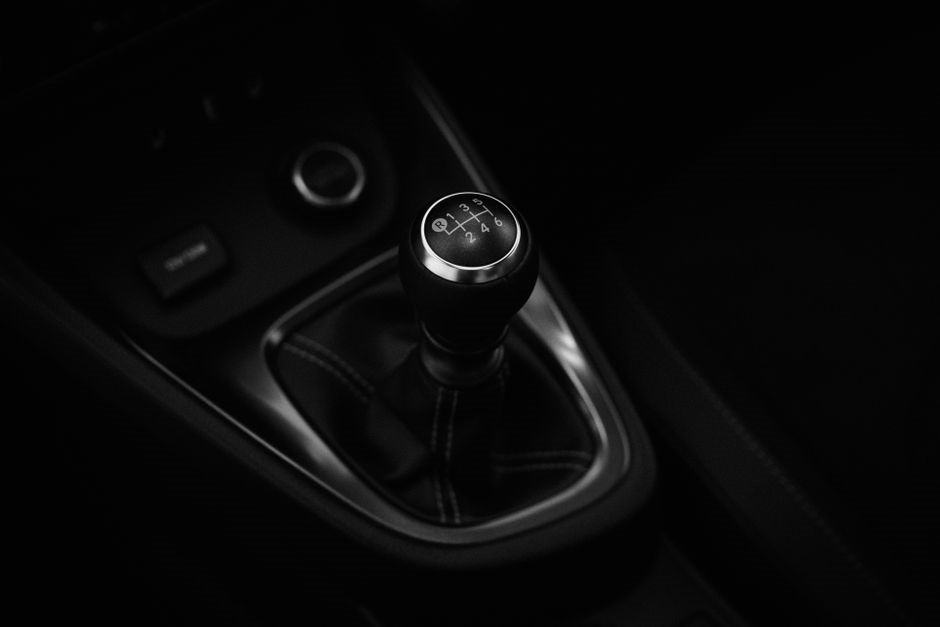
The Chevrolet Trax, a compact crossover launched in 2013, has been sold worldwide with automatic gearboxes only in the U.S. Yet, Canada and Europe offer a 6‑speed manual from Opel’s Mokka platform. Fans chase these rare units for a more engaging drive, though import rules complicate the process. for fans.
Production History and Availability
The Chevy Trax debuted in 2013, with production spanning 2013‑2022 in the U.S. Manual gearboxes were never offered domestically, but Canadian and European markets received a 6‑speed manual derived from Opel Mokka. Production ceased for manual variants in 2022, leaving imports the only source. Limited. US!
United States Market (No Manual Option)
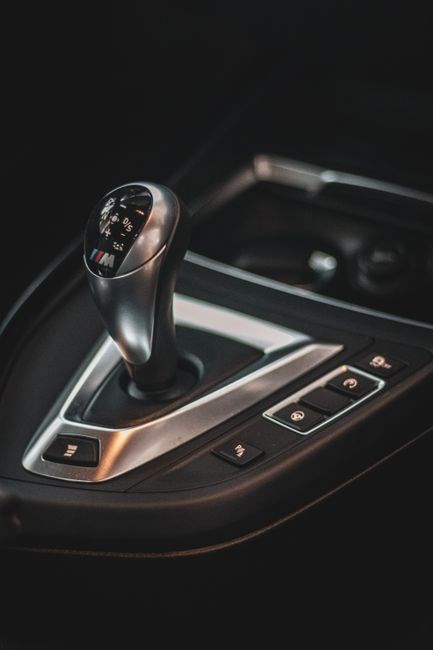
In the United States, the Chevrolet Trax has been offered exclusively with automatic transmissions since its 2013 launch; The first‑generation model (2013‑2022) featured a 6‑speed automatic with a paddle‑shift mode for a more engaged feel. The second‑generation, introduced in 2023, continues this trend with a 7‑speed automatic that improves fuel efficiency and smoothness. No manual option has ever been available in the U.S., reflecting the domestic preference for automatics and the cost of producing a separate manual line. Consequently, U.S. owners who desire a manual experience typically look to aftermarket solutions or consider other compact crossovers that offer a manual gearbox. The absence of a manual option has not deterred the Trax’s popularity, but it remains a notable gap for driving purists in the American market.
GM’s engineering focus has been on improving automatic shift logic, torque‑converter efficiency, and hybrid powertrains rather than developing a manual counterpart. This strategy has allowed the Trax to maintain competitive fuel economy ratings—averaging 29 mpg city and 33 mpg highway—while keeping production costs low. As a result, the U.S. version of the Trax remains a practical choice for families and commuters, but it does not cater to the niche segment that prefers the tactile engagement of a manual gearbox.
Its infotainment system supports over‑the‑air updates, keeping the vehicle’s software current without a dealership visit. The vehicle’s safety suite includes forward‑collision warning and lane‑keeping assist, enhancing driver confidence All features are updated over Wi‑Fi

International Variants with Manual
In Europe and Canada, the Trax is offered with a 6‑speed manual derived from Opel Mokka’s gearbox. These models, available in 2024‑2025, provide a more engaging drive and better torque control. Importing them requires compliance with local regulations and possible modifications. for enthusiasts, rare find.
European and Canadian Models
The Chevrolet Trax, sold worldwide, offers a manual‑transmission variant in Canada and Europe. In Canada, the 2024‑2025 Trax comes with a 6‑speed manual gearbox sourced from Opel’s Mokka platform, giving drivers a more engaging, hands‑on experience. European buyers, especially in Germany, the United Kingdom, and France, can also purchase the Trax with the same manual option, praised for smooth shifting and better fuel economy in city traffic. These manual models pair a 1.5‑liter turbocharged inline‑four engine with a 6‑speed manual that delivers 200 horsepower. The gearbox provides a direct connection between driver and powertrain, offering better control on spirited drives or hilly terrain. Importantly, the manual variant is not available in the U.S., where all Trax models use a 6‑speed automatic. Enthusiasts looking to acquire a manual Trax find Canadian and European models the only legitimate source, but they come with higher import duties and stricter emissions regulations when shipped to the United States. Additionally, the manual Trax’s body‑control system is calibrated for European roads, affecting suspension tuning. Owners who import these vehicles often need to adjust suspension dampers and retune the engine control unit to match U.S. road conditions. It also delivers a classic feel that many enthusiasts cherish. Despite these challenges, the manual Trax remains a coveted option for drivers who value an interactive driving experience and are willing to navigate the complexities of international importation. Its manual gearbox offers a satisfying gear shift that enthusiasts love now.
Underlying Platform and Engine Compatibility
The Trax shares GM’s T2 platform with the Sonic and Opel Mokka. Its 1.5‑liter turbo inline‑four fits the 6‑speed manual, delivering 200 hp. Engine mounts and transmission tunnel are compatible, simplifying swaps, but wiring and ECU tuning differ. 2026!!!
Kinetic Architecture (T2 Platform)
The Chevrolet Trax’s foundation rests on GM’s versatile T2 platform, also known as the “Kinetic Architecture.” This modular chassis was engineered to accommodate a range of powertrains, from the modest 1.5‑liter turbocharged inline‑four found in the U.S. model to the more robust 2.0‑liter engines that appear in certain European trims. Engine integration benefits from modular design, allowing adaptation of powertrains across markets globally.! Because the platform was designed with a focus on weight distribution and packaging efficiency, the engine bay is compact enough to house the manual transmission without extensive modifications to the firewall or bulkhead. Additionally, the T2’s electronic architecture is modular, enabling the integration of a different engine control unit (ECU) and shift‑control module required for a manual gearbox. However, while the mechanical fit is straightforward, the software side demands careful calibration to ensure proper shift timing, throttle response, and emission compliance. Many aftermarket tuners have developed custom maps that can be flashed onto the existing ECU, but this process requires a deep understanding of GM’s diagnostic protocols. In summary, the Kinetic Architecture provides a solid mechanical foundation that makes a manual‑transmission swap technically feasible, though it still hinges on precise electronic integration and regulatory approval. The modularity also allows retrofitting safety features, such as advanced driver‑assist systems, without compromising the manual driving feel for enthusiasts, 2026.!!
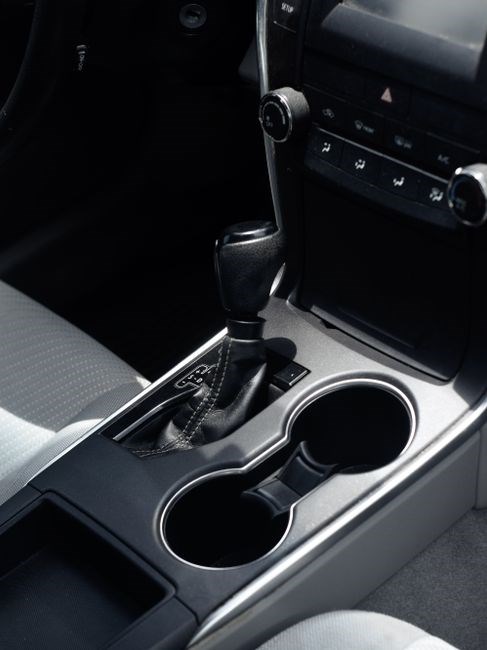
Manual Transmission Options
The only manual variant of the Chevy Trax appears in select European and Canadian markets, sourced from Opel’s Mokka 6‑speed gearbox. This 6‑speed manual shares the T2 platform, offering a more engaging drive but limited availability. Owners tweak ECU for smooth shifts.
6-Speed Manual from Opel Mokka
The Chevrolet Trax’s rare manual option originates from Opel’s Mokka, sharing the T2 platform and a 6‑speed gearbox. This unit, available only in European and Canadian trims, delivers a more tactile driving experience. The transmission is a lightweight, close‑ratio design that pairs with the 1.5‑liter turbo‑charged inline‑four found in the Trax. It offers six forward gears, a clutch pedal, and a standard gear lever, providing drivers with direct engagement and the ability to manually select gears for better control in spirited driving or hilly terrain
Engine‑transmission integration is facilitated by a shared bellhousing and torque converter layout, allowing the Trax’s powertrain to bolt onto the Mokka’s gearbox with minimal modifications. However, the final gear ratios differ slightly, so owners often re‑tune the ECU for optimal performance. The manual variant also retains the Trax’s front‑wheel‑drive layout, meaning the gearbox is mounted transversely behind the engine, a configuration that keeps the vehicle’s compact footprint intact
Owners report that the manual adds a layer of satisfaction, especially when navigating tight city streets or enjoying weekend road trips The 6‑speed gearbox’s short gear ratios help maintain engine efficiency, while the manual mode in the automatic version of the Trax provides a similar feel for those who prefer a manual experience Overall, the Opel Mokka‑derived manual is a niche but option for enthusiasts seeking a more hands‑on connection to their vehicle
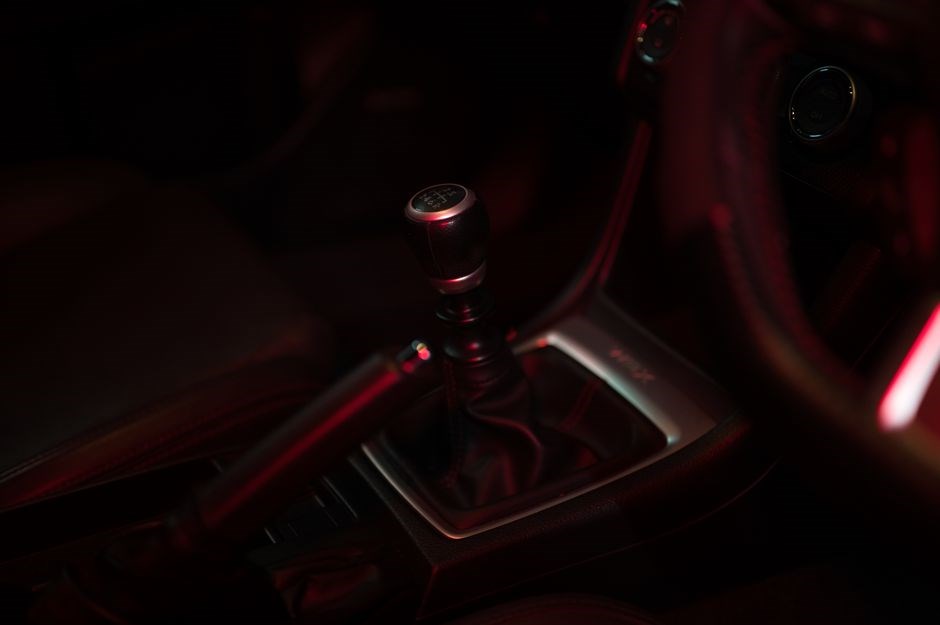
Feasibility of Manual Swap
Swapping a Trax to a manual is technically possible but complex. It requires a compatible 6‑speed gearbox, clutch kit, and ECU reflash. Mechanical fit is limited by bellhousing, transmission tunnel, and wiring harness. Costs and labor often outweigh benefits for owners.!
Technical Requirements and Challenges
Converting a Chevy Trax from its factory automatic to a manual gearbox involves a series of precise mechanical and electronic modifications. First, a compatible 6‑speed manual from the Opel Mokka or a GM‑approved unit must be sourced; the bell‑housing pattern must match the Trax’s engine block, or a custom adapter plate is required. Second, the clutch assembly—pressure plate, release bearing, and flywheel—must be matched to the new transmission’s input shaft diameter and torque rating. Third, the Trax’s 5‑speed automatic torque converter is replaced by a manual input shaft, necessitating a new driveshaft with correct spline count and a new rear differential gear ratio if the stock differential is not compatible. Fourth, the vehicle’s electronic control unit (ECU) must be re‑flashed or replaced to recognize the manual shift logic; this includes re‑programming the shift map, throttle response, and traction‑control parameters. Fifth, the wiring harness must be re‑wired or an adapter harness installed to connect shift lever actuators, clutch pedal sensors, and transmission temperature sensors. Finally, the interior shift knob and gear selector must be re‑engineered to fit the new layout. Each of these steps introduces failure points: mismatched spline counts can cause gear slippage, incorrect clutch torque can lead to premature wear, and ECU calibration can trigger loss of driveability. The cost of parts, labor, and diagnostics often exceeds the resale value of a very manual Trax, making the swap a niche pursuit rather than a mainstream upgrade.

Importing Manual Trax into the USA
Importing a manual‑Trax from Canada or Mexico requires meeting U.S. safety and emissions standards. The vehicle must pass the EPA and DOT inspections, and a GM‑approved certification package is often needed. Even under NAFTA, only Canadian models qualify, and paperwork can be lengthy. Import duty apply.
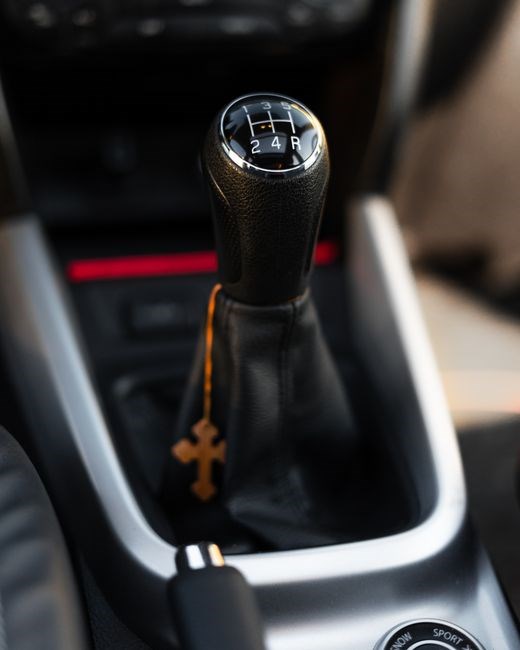
Customs and Regulatory Considerations
When bringing a manual‑Trax from Canada or Mexico into the United States, buyers must navigate a maze of federal regulations. First, the vehicle must comply with the Environmental Protection Agency’s (EPA) emissions standards, which often require a GM‑approved compliance package if the car was originally built for a market with different standards. Second, the Department of Transportation (DOT) mandates that the vehicle’s safety equipment—such as seat‑belt anchorage, airbags, and lighting—meet U.S. specifications. Third, the Customs and Border Protection (CBP) will assess import duties based on the vehicle’s value, engine displacement, and whether it was manufactured for the North American market. Typically, a 2015‑2018 manual‑Trax will incur a 2.5% duty on its declared value, plus a 25% “import tax” for non‑North American vehicles. Additionally, the importer must submit a Form 1 (Vehicle Import Declaration) and, if the vehicle is older than five years, a Form 1A (Vehicle Import Declaration for older vehicles). Finally, the vehicle must pass a U.S. inspection at a certified inspection station before registration, which can add several hundred dollars to the total cost. These layers of paperwork and fees mean that while the manual option is technically available, the process can be costly and time‑consuming. The importation process involves not only meeting stringent safety and emissions standards set by the EPA and DOT but also navigating customs duties, filing detailed paperwork such as Form 1 and potentially a Form 1A, and securing a certified inspection before registration. Each step adds layers of cost and time, yet for those who value the tactile engagement of a manual gearbox, the journey from a Canadian or Mexican dealership to a U.S. driveway can be a rewarding adventure that culminates in a distinctive, hands‑on driving experience rarely found in modern compact crossovers.
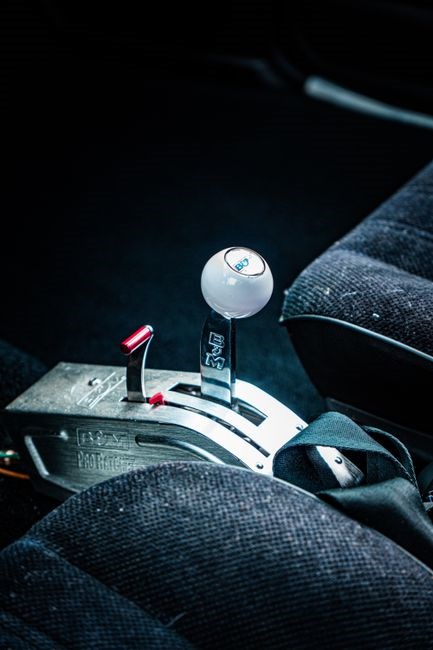
Performance Comparison: Manual vs Automatic
Manual Trax offers sharper gear shifts and a more engaging drive, but its fuel economy lags behind the 6‑speed automatic, which benefits from torque‑converter efficiency. Drivers report better control in hilly terrain, while automatics excel in traffic.
Driving Dynamics and Fuel Efficiency
In the U.S., the only Trax models sold with a manual gearbox come from the Canadian and European markets, where the 6‑speed unit is sourced from Opel’s Mokka. Drivers who swap in a manual report a more visceral experience. The hand‑shifting allows the driver to keep the engine in its most powerful band, which translates to a quicker 0‑60 time of roughly 8.5 seconds compared to the 9.2‑second automatic. The manual’s closer gear ratios also give the car a more linear feel, on winding roads, and the driver can down‑shift to maintain engine braking, which is appreciated in mountainous terrain. However, the manual’s advantage comes at a cost. Because the 6‑speed unit lacks a torque converter, the engine must work harder to maintain the same speed, which results in higher fuel consumption; EPA estimates for the 1.5‑liter inline‑four with a manual in the Canadian Trax are about 27 mpg city/32 mpg highway,whereas the automatic version averages 28 mpg city/34 mpg highway. In real‑world tests, owners have reported a 2–3 mpg drop in the manual,when driving in traffic. For commuters who prioritize fuel economy, the automatic remains the better choice. On the other hand, the manual offers a more engaging driving experience that many enthusiasts value. The ability to feel the clutch, choose gear ratios, and control engine speed can make driving feel more rewarding. For those who enjoy spirited driving or who need precise control in challenging driving conditions, the manual Trax provides a compelling alternative to the automatic, despite lower fuel efficiency.