
Brook Traffic Light Tool PDF: A Comprehensive Guide (Updated 04/14/2026)
Today, April 14, 2026, this guide details the Brook Traffic Light Tool, a PDF resource aiding professionals in assessing sexual behaviours, with eLearning courses available since June 22, 2021.
What is the Brook Traffic Light Tool?
The Brook Traffic Light Tool is a framework designed to help professionals systematically evaluate and categorize young people’s sexual behaviours. Adapted with permission from True Relationships & Reproductive Health (2012), it utilizes a ‘traffic light’ system – green, amber, and red – to indicate whether behaviours are developmentally appropriate, problematic, or harmful.
This tool, available as a PDF, supports identifying behaviours and establishing if they fall within typical development or require further attention. It’s intended to aid in conversations and risk assessments, offering guidance on navigating sensitive topics. The tool’s eLearning course, published on June 22, 2021, further supports professional use.
Purpose and Origins of the Tool
The Brook Traffic Light Tool originated from a collaboration between Brook and True Relationships & Reproductive Health, initially published as a guide in 2012. Its primary purpose is to provide a structured approach for professionals working with young people to assess and understand sexual behaviours.
The tool aims to facilitate early identification of potential concerns, enabling timely intervention and support. It’s designed to support safe conversations and inform risk assessments, ensuring the wellbeing of young individuals. The PDF format allows for easy access and dissemination, while the associated eLearning course enhances professional competency.
Developed by Brook and True Relationships & Reproductive Health
Brook, a well-established youth sexual health organization, partnered with True Relationships & Reproductive Health to create the Traffic Light Tool. True Relationships & Reproductive Health initially developed the “Traffic Lights” guide, which Brook then adapted with their permission.
This collaboration combined Brook’s expertise in youth work with True Relationships & Reproductive Health’s specialized knowledge in understanding healthy and problematic sexual behaviours. The resulting tool is a practical resource designed for professionals, reflecting a commitment to safeguarding young people and promoting healthy relationships. The PDF version ensures widespread accessibility.

Understanding the Traffic Light System
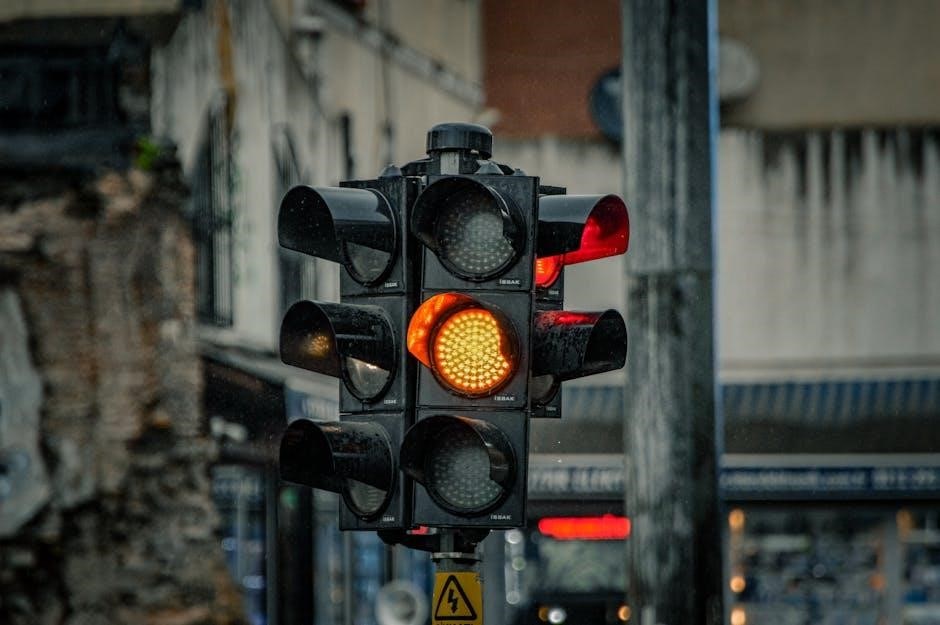
The Traffic Light Tool categorizes behaviours as Green (typical), Amber (problematic), or Red (harmful), aiding professionals in assessing risk and appropriateness.
Green Light Behaviours
Green Light Behaviours, according to the Brook Traffic Light Tool, represent developmentally appropriate sexual curiosity and exploration for a young person’s age. These actions generally pose minimal risk and are considered a normal part of growing up. Examples include age-appropriate questions about bodies, puberty, or relationships.
Such behaviours don’t cause harm to the individual or others, and don’t indicate underlying concerns. The tool supports identifying these as typical, reassuring professionals and caregivers. It’s crucial to remember that what constitutes a ‘green light’ behaviour varies significantly based on the child’s age and maturity level, requiring careful consideration.
Amber Light Behaviours
Amber Light Behaviours, as defined by the Brook Traffic Light Tool, signify actions that warrant further exploration and monitoring. These behaviours aren’t immediately harmful, but they deviate from typical development or raise some level of concern. They might include increased secrecy around online activity, or persistent questioning about explicit topics beyond their age level.
Professionals should use amber lights as a signal to initiate conversations with the young person and potentially involve parents or caregivers. Further assessment is needed to determine if the behaviour escalates or if support is required. It’s a ‘watchful waiting’ stage, not a cause for immediate alarm, but requires attentive follow-up.
Red Light Behaviours
Red Light Behaviours, identified by the Brook Traffic Light Tool, represent significant cause for concern and demand immediate action. These behaviours indicate potentially harmful or abusive situations, requiring safeguarding protocols. Examples include any disclosed abuse, exploitation, or coercive control, alongside persistent and inappropriate sexual contact with peers or adults.
A red light triggers mandatory reporting procedures and necessitates collaboration with safeguarding teams and potentially law enforcement. Professionals must prioritize the safety and well-being of the young person, ensuring their protection and access to appropriate support services. These behaviours are not to be ignored or managed independently.
Accessing the Brook Traffic Light Tool PDF
The Brook Traffic Light Tool PDF is downloadable from official Brook and True Relationships & Reproductive Health sources, or discoverable via search engines.
Official Download Sources
Brook, in collaboration with True Relationships & Reproductive Health, provides the primary access point for the Traffic Light Tool PDF. Professionals seeking the document can often locate it directly on the True Relationships & Reproductive Health website, as Brook adapted the tool with their permission.
Furthermore, dedicated eLearning courses supporting professional use of the tool were published on June 22, 2021, potentially linking to the PDF. While a direct link isn’t always prominently displayed, navigating the resources sections of both organizations’ websites is recommended. Searching for “Brook Traffic Light Tool” alongside “PDF” will yield relevant results.
Availability on the Brook Website
Brook’s official website serves as a key, though sometimes indirect, source for accessing the Traffic Light Tool PDF. While a direct download link isn’t consistently featured, the website hosts information about their services related to sexual health and safeguarding, where the tool is referenced.
Navigating the ‘resources’ or ‘professional support’ sections is advisable. Information regarding eLearning courses, launched on June 22, 2021, to support the tool’s use may contain links or guidance on obtaining the PDF. Regular updates to the website’s content mean availability can vary, so periodic checks are recommended.
Finding the PDF through Search Engines
Utilizing search engines like Google can effectively locate the Brook Traffic Light Tool PDF. Employing specific keywords such as “Brook Traffic Light Tool PDF download,” “Brook sexual behaviours assessment tool,” or “True Relationships & Reproductive Health Traffic Light Tool” yields relevant results.
Be mindful of source credibility; prioritize links leading to official organizations like Brook, True Relationships & Reproductive Health, or reputable safeguarding resources like the NSPCC. Documents shared on file-sharing platforms should be approached with caution. The document is often found as a printable file (.pdf) online.

Using the Tool: A Step-by-Step Guide
The Traffic Light Tool guides users to identify behaviours, establish developmental appropriateness, and categorize them as typical, problematic, or harmful, per the 2012 guide;
Identifying Specific Behaviours
Successfully utilizing the Brook Traffic Light Tool begins with meticulously identifying the specific behaviours exhibited by the young person. This requires detailed observation and, where appropriate, direct questioning to understand the nature, frequency, and context of these actions.
It’s crucial to move beyond generalizations and pinpoint concrete examples. For instance, instead of noting “inappropriate curiosity,” document “repeatedly asking detailed questions about adult sexual activity.”
Accurate identification forms the foundation for applying the traffic light criteria effectively. Remember, the tool supports assessing if behaviours are typical, problematic, or harmful, demanding precise behavioural descriptions.
Applying the Traffic Light Criteria
Once behaviours are identified, the core of the Brook Traffic Light Tool involves applying its colour-coded system. Each behaviour must be carefully evaluated against the criteria for Green (developmentally appropriate), Amber (potentially problematic, requiring monitoring), and Red (harmful, requiring immediate intervention).
Consider the young person’s age, developmental stage, and the context of the behaviour. The tool isn’t a rigid checklist; professional judgement is paramount.
Accurate categorization guides appropriate responses, from providing reassurance for Green behaviours to initiating safeguarding procedures for Red behaviours, ensuring child protection.
Documenting Assessments
Thorough documentation is crucial when utilizing the Brook Traffic Light Tool. Detailed records should include the specific behaviours observed, the rationale for assigning each ‘traffic light’ colour, and any contextual factors considered.
This documentation serves as a vital record of the assessment process, supporting informed decision-making and facilitating communication between professionals.
Maintain confidentiality and adhere to organizational policies regarding record-keeping. Clear, concise notes are essential for future reference, reviews, and potential safeguarding investigations, ensuring accountability and best practice.
Key Concepts within the Tool
The Traffic Light Tool distinguishes between developmentally appropriate, problematic, and harmful sexual behaviours, guiding professionals to identify concerns and support young people effectively.
Developmentally Appropriate Sexual Behaviour
Understanding what constitutes developmentally appropriate sexual behaviour is crucial when utilizing the Brook Traffic Light Tool. This encompasses behaviours that are typical for a young person’s age and stage of development, reflecting natural curiosity and exploration.
The tool helps professionals differentiate these behaviours from those that raise concern. It acknowledges that sexual development is a normal part of growing up, and not all exploration is indicative of a problem.
The Traffic Light Tool supports identifying behaviours within expected boundaries, ensuring interventions are focused on genuine risks and safeguarding needs, rather than simply suppressing normal curiosity.
Problematic Sexual Behaviour
The Brook Traffic Light Tool identifies problematic sexual behaviour as actions that, while not immediately harmful, indicate potential risks or underlying concerns. These behaviours might involve excessive focus, inappropriate context, or causing distress to the young person or others.
This category necessitates further assessment and support, as it doesn’t automatically signify abuse but warrants attention. It could stem from a lack of understanding, peer pressure, or emotional difficulties.
The tool assists professionals in recognizing these nuances, facilitating conversations and providing appropriate guidance to promote healthy development and prevent escalation.
Harmful Sexual Behaviour
The Brook Traffic Light Tool defines harmful sexual behaviour as actions that involve exploitation, abuse, or a significant risk of harm to the young person or others. This includes coercive control, unwanted sexual contact, and any activity violating boundaries or consent.
Such behaviours demand immediate safeguarding intervention and reporting procedures, as they represent serious offences. The tool emphasizes that identifying these actions is crucial for protecting vulnerable individuals.
Professionals utilizing the tool must understand their legal obligations and prioritize the safety and well-being of those at risk, ensuring appropriate support and referral pathways are activated.
Target Audience and Professional Use
The Brook Traffic Light Tool is designed for professionals working with young people, including social workers, educators, and youth leaders, to assess behaviours.
Professionals Working with Young People
The Brook Traffic Light Tool provides crucial support for professionals navigating complex situations involving young people and potential problematic sexual behaviours. This resource empowers them to identify behaviours that may be developmentally appropriate, concerning, or harmful, facilitating early intervention.
It’s particularly valuable for those in direct contact with youth, enabling informed discussions and risk assessments. The tool isn’t a diagnostic instrument, but rather a framework requiring professional judgement and sensitivity. Utilizing the PDF and associated eLearning, professionals can confidently approach sensitive topics, ensuring the safety and wellbeing of the young individuals they support.
Social Workers and Safeguarding Teams
The Brook Traffic Light Tool PDF is an invaluable asset for social workers and safeguarding teams, offering a structured approach to evaluating potential risks related to sexual behaviours in young people. It aids in identifying concerning patterns and determining appropriate interventions, supporting comprehensive risk assessments.
The tool facilitates clear documentation and informed decision-making, aligning with safeguarding protocols. Remember, it’s not a diagnostic tool, but a guide requiring professional judgement. Accessing the PDF and related resources, like those from True Relationships & Reproductive Health, enhances their ability to protect vulnerable individuals and promote safe environments.
Educators and Youth Leaders
The Brook Traffic Light Tool PDF empowers educators and youth leaders to proactively identify potentially problematic sexual behaviours among young people. It provides a framework for understanding developmentally appropriate versus concerning actions, fostering safer environments. Utilizing this tool supports early intervention and facilitates crucial conversations with students and their families;
However, remember this PDF isn’t a diagnostic instrument; professional judgement is vital. Supplementing its use with resources like NSPCC Online Safety advice and the Stop It Now! helpline ensures a holistic approach to safeguarding. The tool aids in recognizing when specialist support is needed.

Benefits of Using the Traffic Light Tool
The Brook Traffic Light Tool PDF facilitates early concern identification, supports safe conversations about sexual behaviour, and aids comprehensive risk assessments for young people.
Early Identification of Concerns
The Brook Traffic Light Tool PDF excels at prompting professionals to quickly identify potentially problematic or harmful sexual behaviours exhibited by young individuals. This proactive approach, detailed within the document, allows for timely intervention and support.
By categorizing behaviours as ‘green,’ ‘amber,’ or ‘red,’ the tool offers a structured framework for assessing developmental appropriateness. This structured assessment helps differentiate between typical exploration and behaviours requiring further investigation. Early detection, facilitated by the tool’s clear criteria, is crucial for safeguarding young people and preventing escalation of risks. The tool supports a preventative, rather than reactive, approach to safeguarding.
Facilitating Safe Conversations
The Brook Traffic Light Tool PDF provides a neutral framework, aiding professionals in initiating sensitive conversations about sexual behaviours with young people. The traffic light system offers a non-judgmental language, reducing potential shame or fear.
Using the tool’s classifications – green, amber, red – allows for focused discussions on specific behaviours, rather than broad accusations. This approach encourages open communication and builds trust. The document supports professionals in navigating difficult topics, ensuring a safe space for young people to express themselves. It’s vital to remember the tool supports, but doesn’t replace, skilled communication and professional judgement.
Supporting Risk Assessment
The Brook Traffic Light Tool PDF significantly supports comprehensive risk assessments when working with young people exhibiting concerning sexual behaviours. By categorizing behaviours as green, amber, or red, it provides a structured way to evaluate potential harm and escalation.
This tool isn’t a standalone assessment, but a valuable component, informing professional judgement and guiding further investigation. Identifying ‘red light’ behaviours prompts immediate safeguarding concerns and potential referral pathways. The tool helps professionals document observations and track changes in behaviour over time, strengthening the overall risk profile and informing protective strategies.
Limitations and Considerations
The Brook Traffic Light Tool PDF isn’t a diagnostic instrument; professional judgement, cultural sensitivity, and understanding developmental appropriateness are crucial for accurate and ethical application.
Not a Diagnostic Tool
The Brook Traffic Light Tool PDF is fundamentally designed as a framework for assessing sexual behaviours, not for providing a definitive diagnosis. It’s crucial to understand that the tool doesn’t categorize individuals or label them with specific conditions. Instead, it facilitates a structured conversation and evaluation process, helping professionals identify potential concerns and determine the need for further, more in-depth assessment by qualified specialists.
Reliance solely on the traffic light system without considering the broader context of an individual’s life, developmental stage, and potential underlying factors would be inappropriate and potentially harmful. The tool serves as a starting point for discussion and informed decision-making, always requiring professional expertise and clinical judgement.
Requires Professional Judgement
The Brook Traffic Light Tool PDF is not a substitute for experienced professional assessment. Applying the ‘traffic light’ criteria demands nuanced understanding and careful consideration of individual circumstances. Professionals must utilize their training and expertise to interpret the tool’s indicators within a broader context, recognizing that behaviours can be complex and multifaceted.
Simply categorizing a behaviour as ‘red,’ ‘amber,’ or ‘green’ isn’t sufficient; a thorough evaluation requires considering developmental appropriateness, cultural factors, and potential safeguarding concerns. The tool is designed to support, not replace, informed professional judgement and a holistic approach to risk assessment.
Cultural Sensitivity
The Brook Traffic Light Tool PDF must be applied with significant cultural sensitivity. Behaviours considered developmentally appropriate or problematic can vary widely across different cultures and communities. Professionals should avoid imposing their own cultural norms or biases when assessing behaviours, and instead, strive to understand the context within the young person’s cultural background.
It’s crucial to recognize that what might be flagged as an ‘amber’ or ‘red’ light behaviour in one culture may be perfectly acceptable in another. Seeking consultation with individuals knowledgeable about the young person’s culture can enhance the accuracy and appropriateness of the assessment.
Related Resources and Support
Further support includes the Stop It Now! helpline, NSPCC online safety advice, and resources from True Relationships & Reproductive Health, complementing the Brook Traffic Light Tool PDF.
Stop It Now! Helpline
The Stop It Now! helpline provides crucial support when navigating concerns related to problematic sexual behaviours, often arising during assessments with the Brook Traffic Light Tool. If professionals find the tool difficult to utilize or encounter complex situations, contacting this helpline offers tailored advice from experienced social workers.
This resource is invaluable for gaining guidance specific to individual cases, ensuring appropriate responses and safeguarding measures are implemented. It’s a confidential service designed to help professionals and individuals understand and address potentially harmful behaviours, complementing the assessment framework provided by the Brook tool and related PDF documentation.
NSPCC Online Safety Advice
The NSPCC’s online safety advice is a vital companion resource when utilizing the Brook Traffic Light Tool, particularly when assessing behaviours potentially linked to online exploitation or risky digital interactions. Their website, www.nspcc.org.uk, offers comprehensive guidance on keeping children safe in a digital world, addressing issues like online grooming and inappropriate content.
This advice complements the Brook tool by providing broader context and practical strategies for safeguarding young people. Understanding online risks is crucial when interpreting assessment results and developing appropriate support plans, especially given the prevalence of digital communication in modern life and the availability of the PDF resource.
True Relationships & Reproductive Health Resources
True Relationships & Reproductive Health are foundational to the Brook Traffic Light Tool, having originally developed the “Traffic Lights guide to sexual behaviour” in 2012, from which Brook adapted the tool with permission. Their resources offer in-depth understanding of healthy relationships, sexual health, and safeguarding principles.
Accessing their materials provides crucial context for interpreting the Traffic Light Tool’s assessments. They offer training and support for professionals working with young people, enhancing the effective and sensitive application of the PDF. Further information and resources are available to support a comprehensive approach to understanding and addressing problematic sexual behaviours.
The Find My iPhone Feature & Relevance
While unrelated to the Brook Traffic Light Tool PDF directly, Find My iPhone aids digital safety, locating lost devices via iCloud.com/find or the Find My app.
Tracking Lost Devices (iPhone, iPad, Mac)
Although seemingly disconnected from the Brook Traffic Light Tool PDF’s focus on assessing sexual behaviours, the Find My feature represents a crucial aspect of safeguarding young people in the digital age. Apple’s system allows users to pinpoint the location of their iPhone, iPad, or Mac through iCloud.com/find or the dedicated Find My application on other Apple devices.
This functionality is particularly valuable if a device containing sensitive information, or potentially used for concerning online activity, is lost or stolen. Users can remotely locate the device on a map, play a sound to aid in physical recovery, and even mark it as lost to protect personal data. This proactive approach complements the preventative work undertaken using tools like the Brook Traffic Light Tool.
Using iCloud.com/find
While the Brook Traffic Light Tool PDF focuses on behavioural assessment, understanding digital safety tools is paramount. Accessing iCloud.com/find provides a web-based interface for locating lost Apple devices. After logging in with the associated Apple ID and password – the same used for Find My iPhone – a map displays the location of all linked devices, including iPhones, iPads, and Macs.
This online access is invaluable if another Apple device isn’t readily available. From this platform, users can track the device’s location in real-time (if online), initiate a sound to help locate it nearby, or remotely lock and erase the device to protect sensitive data. This digital tracking complements the offline assessments facilitated by the Brook tool.
Marking a Device as Lost
Similar to utilizing the Brook Traffic Light Tool for identifying concerning behaviours, proactively securing digital devices is crucial. Within Find My (accessed via iCloud.com/find or the app), marking a device as “Lost” immediately locks it with a passcode, preventing unauthorized access. A custom message, including contact information, can be displayed on the screen, aiding potential finders.
This feature also suspends Apple Pay, safeguarding financial information. While the Brook tool assesses risk, this function mitigates it in the event of device loss. Tracking continues even in Lost Mode, and reporting the loss to authorities remains essential. This digital security measure parallels the safeguarding principles embedded within the Traffic Light Tool PDF.